Between Demolition and Renewal
Between Demolition and Renewal
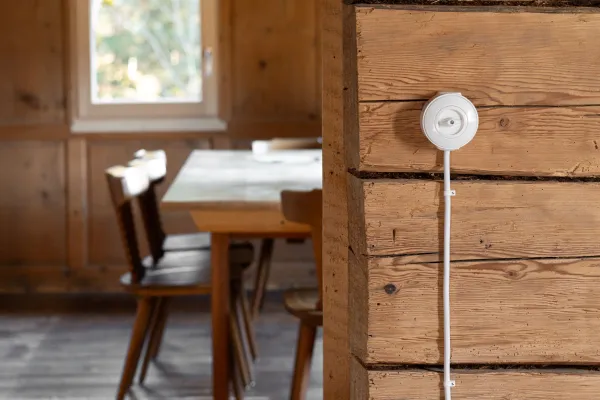
Today, in the construction industry, we constantly talk about how we want to build in the future. Often, the focus is on being sustainable, building simply, and remaining affordable. And yet, with sustainable intentions, we demolish and build anew, using materials such as timber and clay. But is that really the ultimate answer?
Why we build new
New construction is straightforward. It is plannable, controllable, clean and aesthetic. The materials are pleasant, carry the scent of something new, are easy to prefabricate and assemble, and the planning processes follow a clear sequence.
There is also something deeper at play: for a long time, we have been conditioned to believe that the new is of higher quality than what already exists. For us, progress and development therefore often mean replacement, not preservation.
And this is precisely where the problem lies. With every demolition, we lose not only a building and its history, but also material, energy and resources. A resource that is often far from exhausted is suddenly treated as worthless, or even as a burden.
In construction methods not designed for durability, buildings may indeed reach the end of their life after a few decades. But this is not the case here, in our region, in the DACH area. In Liechtenstein, western Austria, Switzerland and Germany, buildings are constructed to last. Materials are used that can endure for centuries—if we know how to handle them. So we should ask ourselves:
Why do we not build with what already exists?
Existing buildings are the opposite of new construction. They are often contradictory, incomplete, sometimes even awkward. They require time to understand and, often, a great deal of patience. Working with existing structures can feel like navigating between rejection and potential, between resistance and possibility.
For many young architects, however, this has become everyday (design) practice. We are compelled to look more closely and to make decisions not out of habit, but out of a desire to understand how things might be done differently—and with the awareness that our existing building stock can endure for centuries to come.
Building on what exists is not a compromise
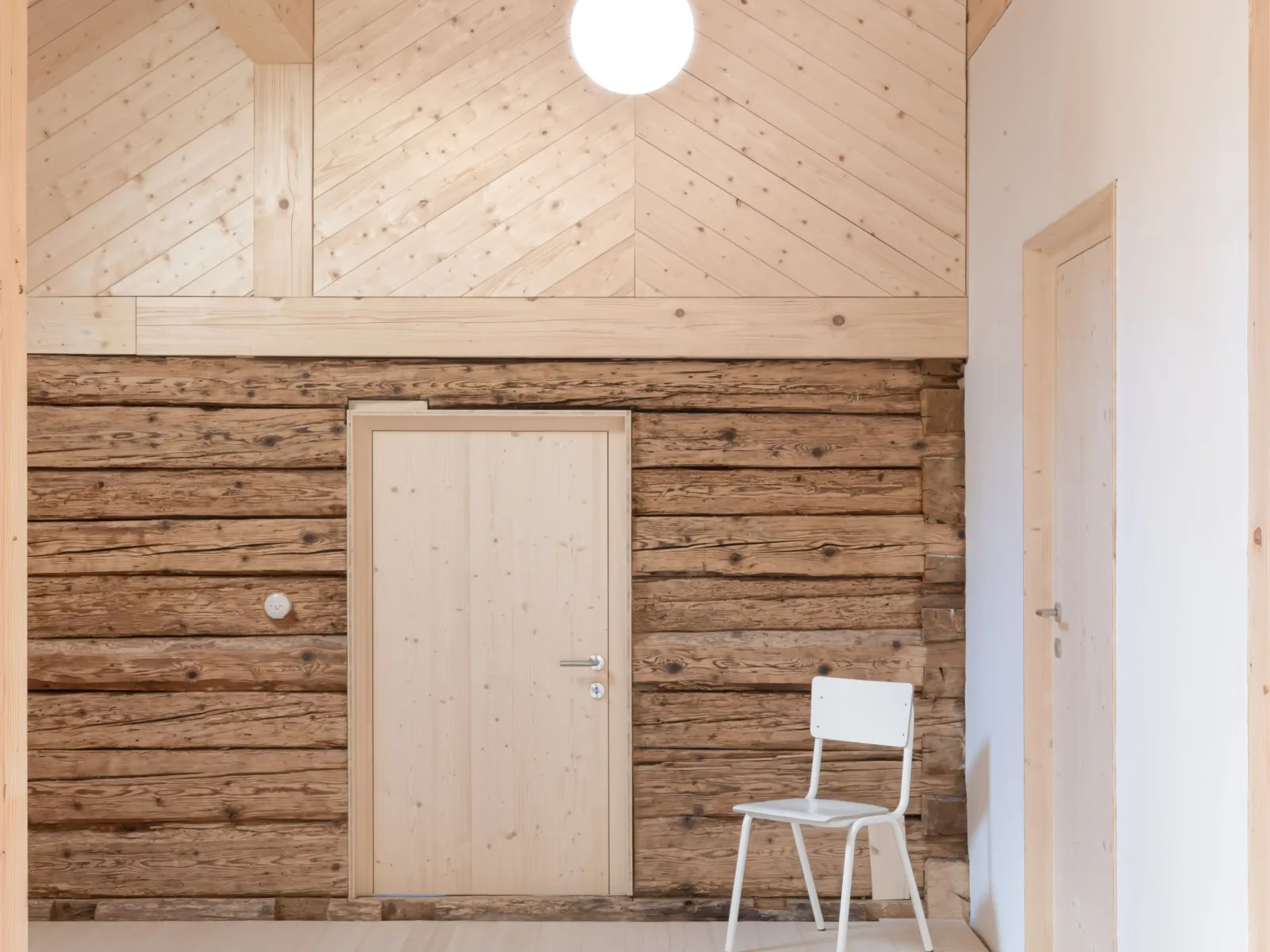
Existing structures are not a limitation, but our starting point. Designing within existing contexts does not mean being less capable. It means working differently—not from a blank page, but in dialogue with what is already there.
Existing structures set certain parameters. They impose limits. Yet it is precisely these limits that are productive. They force us to become more precise. More attentive.
There is less room to hide behind grand gestures; instead, one must look more closely. How was something built? When was it built? What knowledge does it embody? How can it be developed further?
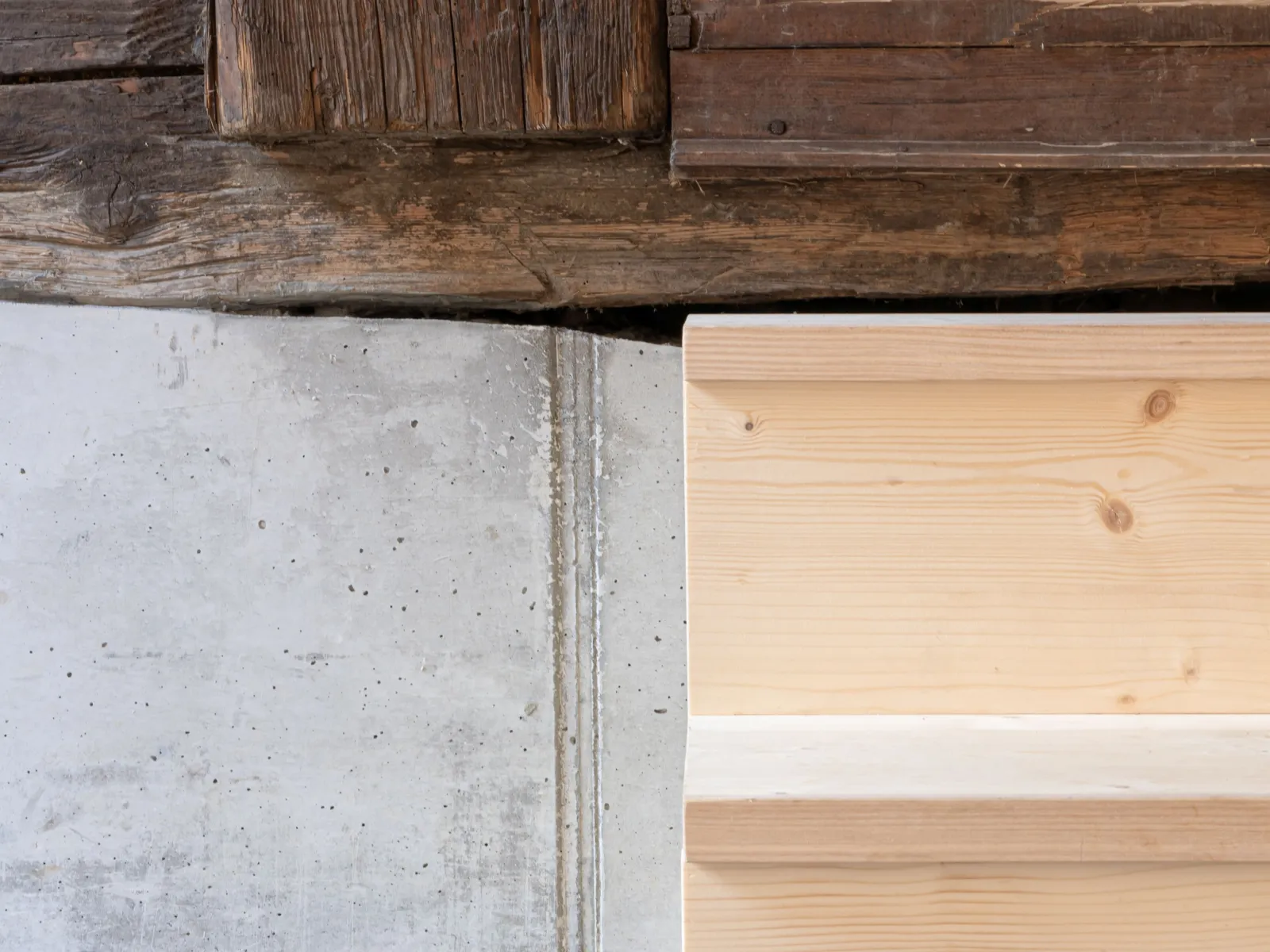
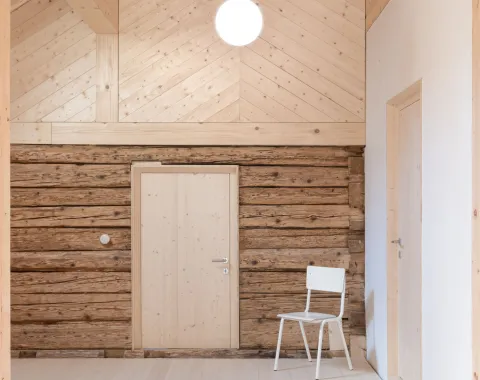
The most interesting moments often arise exactly where old and new meet—not as a seamless transition, but as friction.
Learning to see
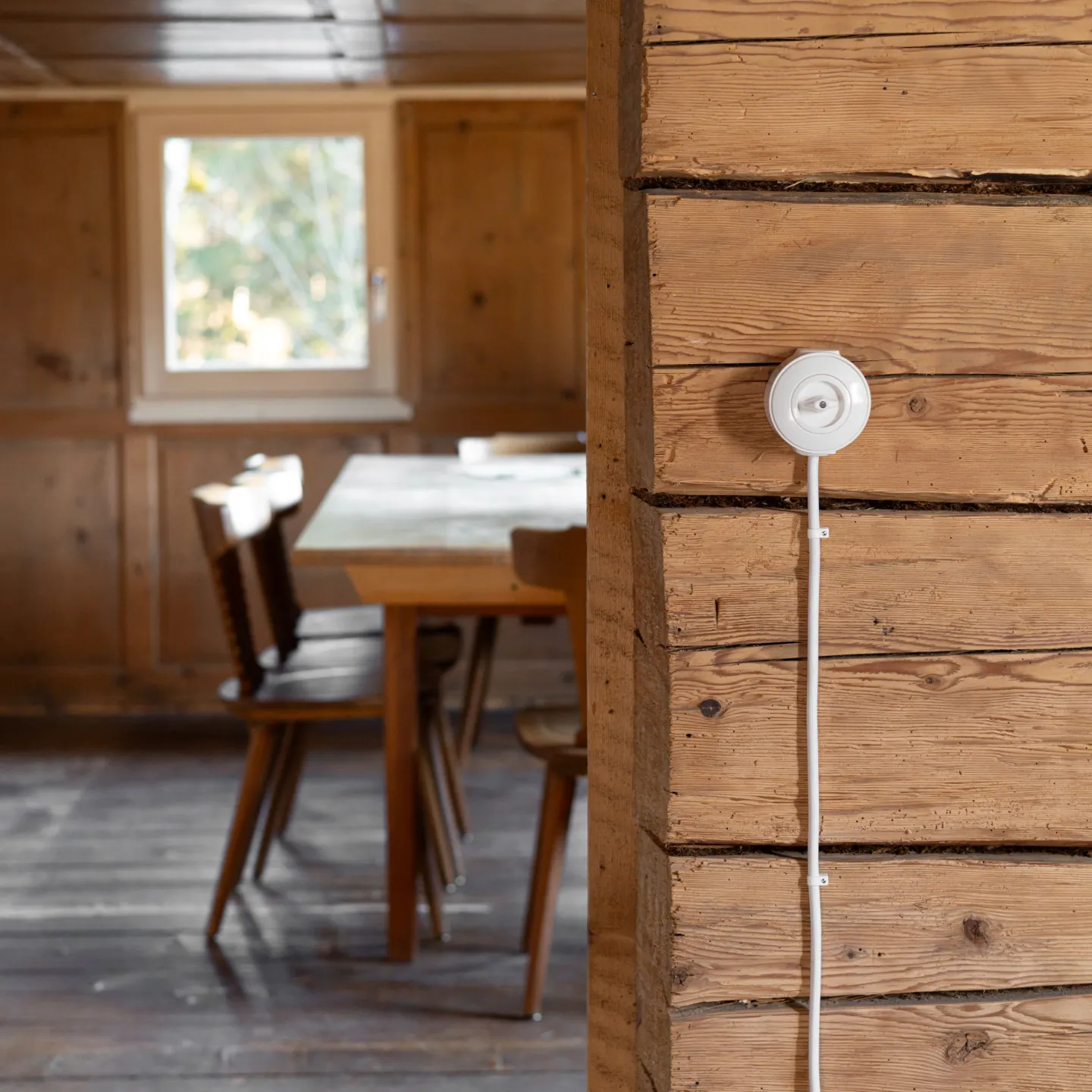
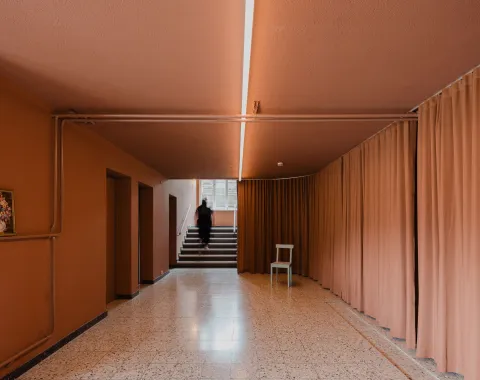
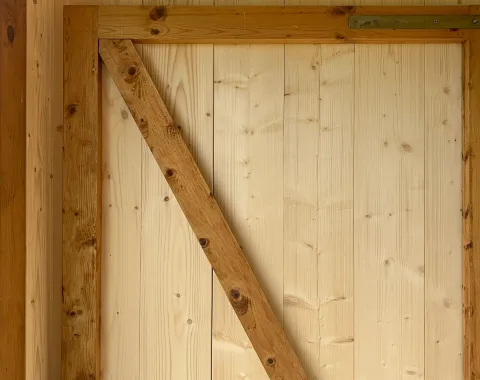
In projects such as the partial renewal of an old Vorsäss building in the Bregenzerwald, the renovation of a Rheintal house, or the adaptation of a listed ensemble building in Bavaria, we ask ourselves precisely these questions in our office and attempt to find answers.
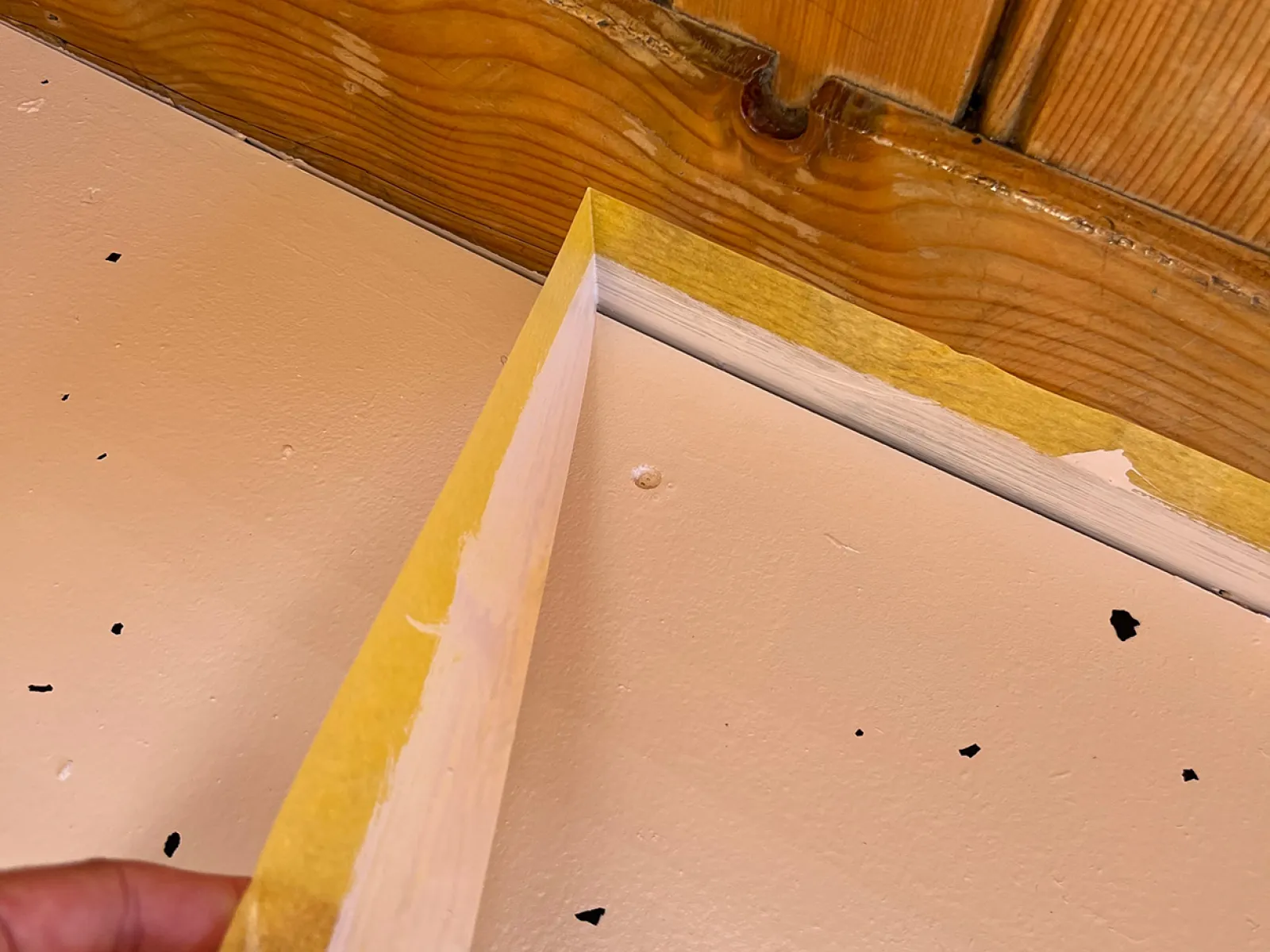
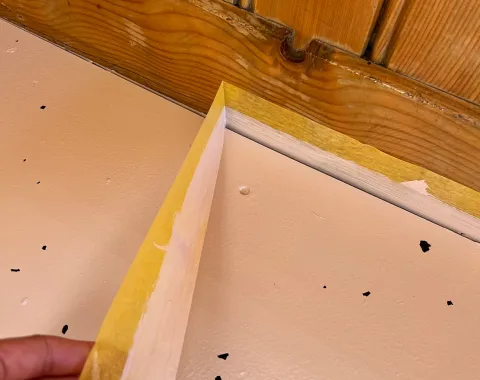
We do not begin with an idea, but with something that already exists. At first, this often feels like a constraint. Quite quickly, however, this perception shifts. Suddenly, elements are read differently and recognised as qualities. An existing beam is no longer just a beam, but a spatial opportunity. A joint is not merely technical, but becomes a design element. A step is not a barrier, but an opportunity to articulate space more deliberately.
The question shifts. It is no longer necessarily: What do we want to design? But rather: What is already there, and what can it become?
When the design evolves
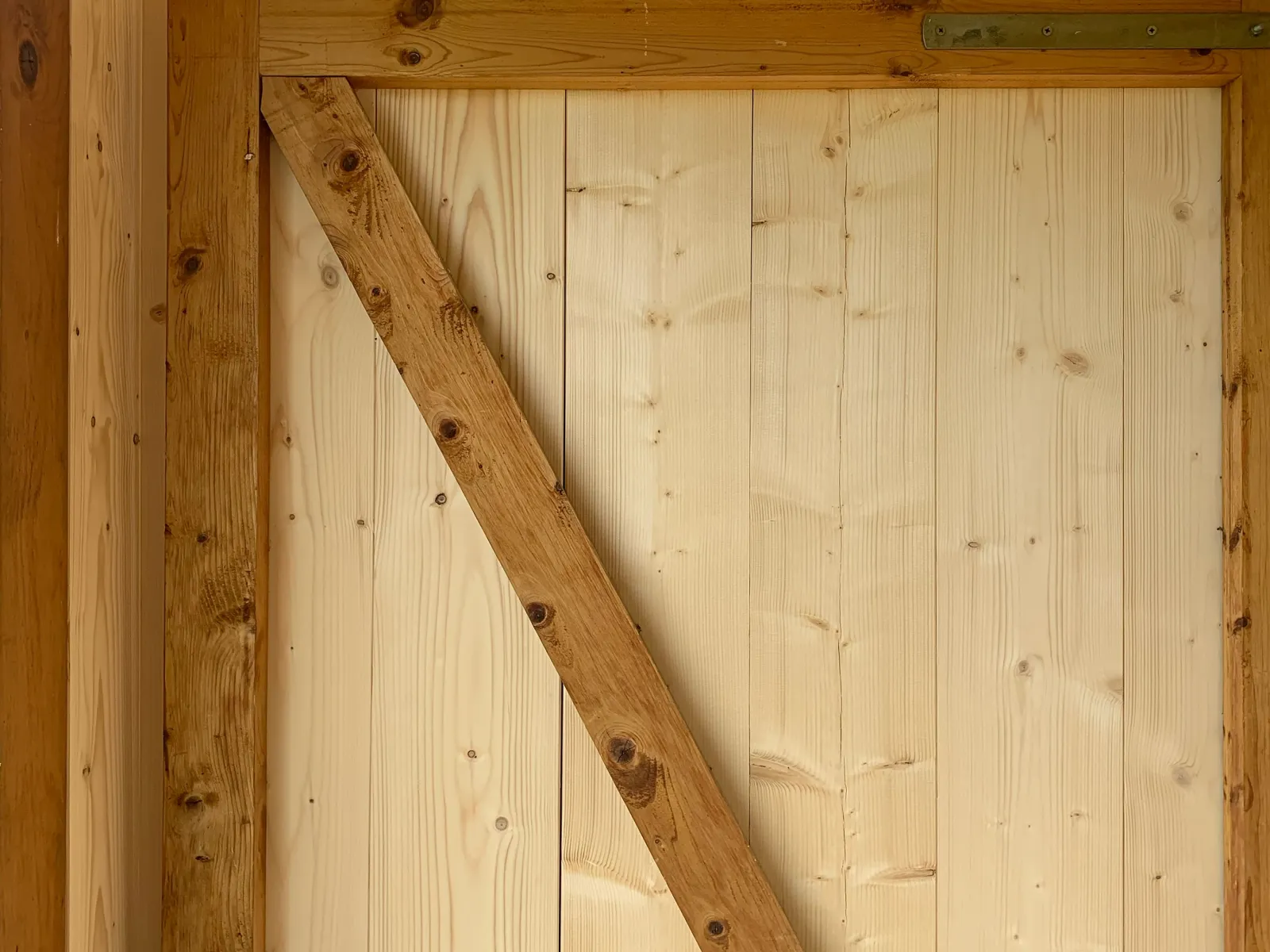
The projects that emerge from this approach are rarely smooth—and that is precisely what makes them compelling and engaging. In some projects, one can work very directly with existing structures. In others, these are deliberately broken open, combined or layered. There are countless ways of engaging with them. Some elements call for the origin of the material to remain visible; others are transformed to such an extent that only traces remain.
What runs through all of this is a different way of designing: less imposition, more engagement.
Here, quality does not arise from perfection, but from precision in dealing with what is already there. From decisions that are not made in a vacuum, but in relation to something existing.
A question of attitude
Ultimately, this is not purely a technical issue. Of course, there are challenges: regulations, processes and costs. But the core issue lies elsewhere.
How quickly are we willing to dismiss something as «no longer usable»? And how serious are we, really, about sustainability?
If we take resources, energy and cultural value seriously, our benchmarks begin to shift. Demolition then ceases to be the easy solution and instead becomes a decision that requires justification.
The future is already built
We will not stop building anew. But the focus will shift. Existing structures will no longer be the exception, but the starting point—not a problem, but potential.
And perhaps this will also change our understanding of architecture: less as the creation of something entirely new, and more as the continuation and reinterpretation of what already exists.
In summary, the future lies directly before our eyes. We simply need to learn how to see it.
Alumna Nina Beck is a self-employed architect and practice lecturer at the Liechtenstein School of Architecture, within the Unit of Built Heritage and Upcycling. Her work focuses on sustainable construction—particularly timber construction—as well as the creative reuse of existing structures. Learn more about Nina Beck.
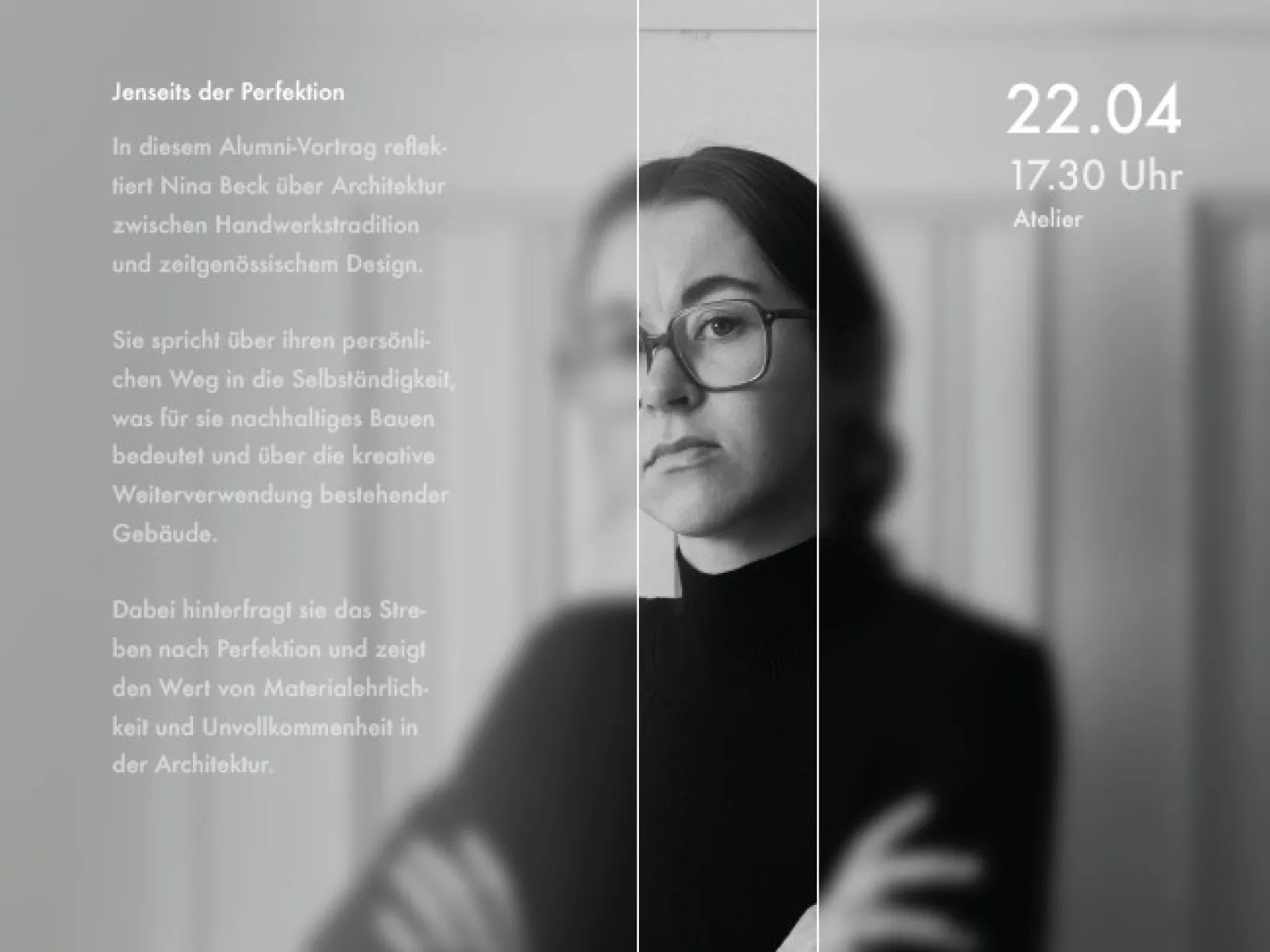

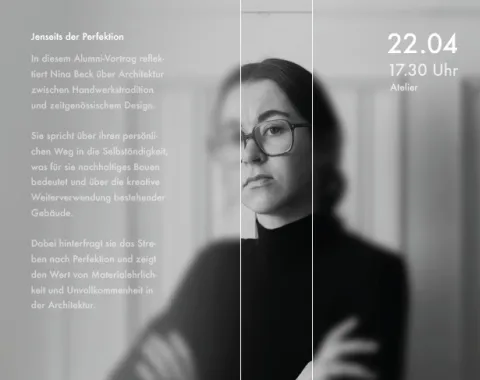
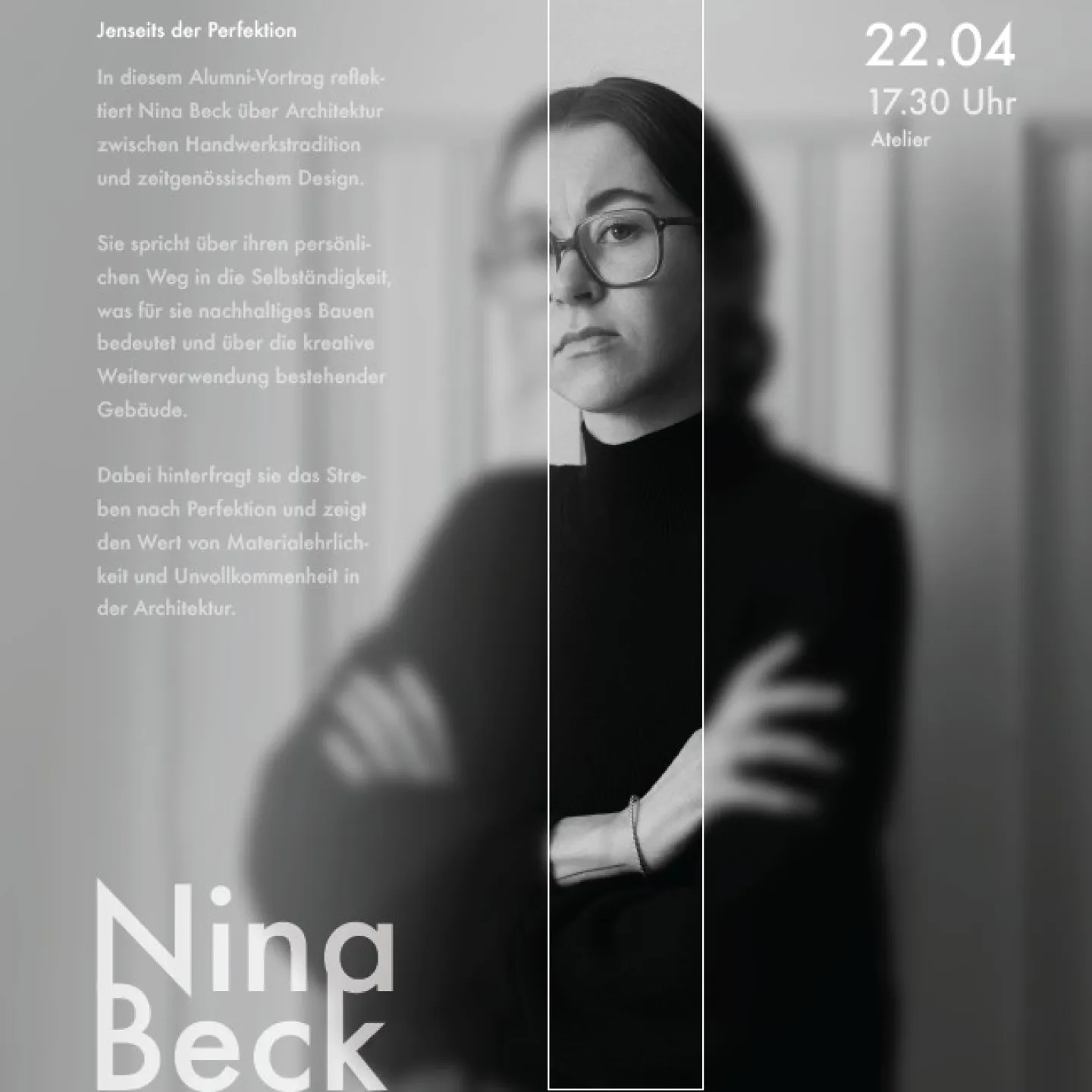
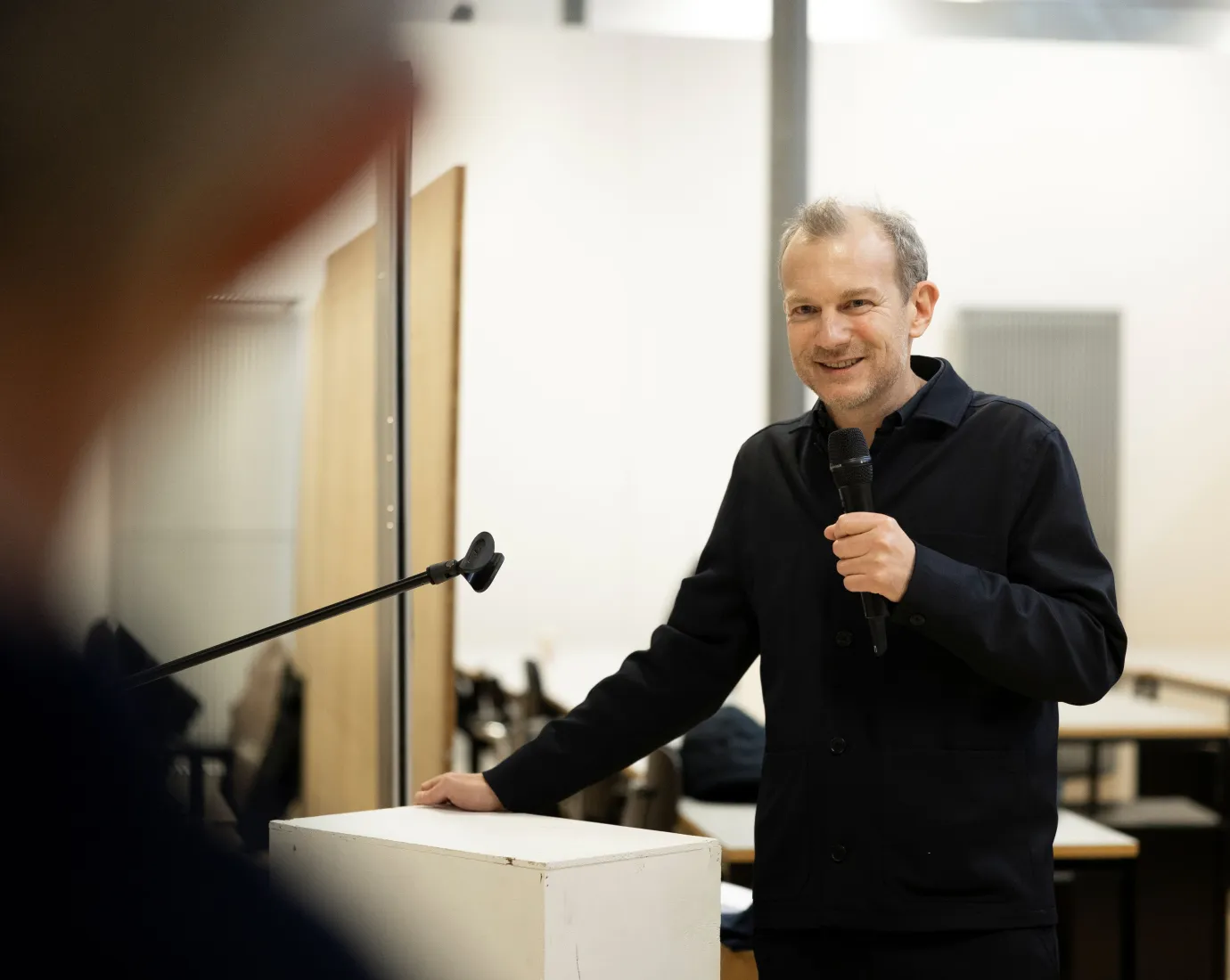
On Wednesday, 22 April 2026 a public alumni lecture by Nina Beck took place at the University of Liechtenstein.