The Way of Life in Bergen
The Way of Life in Bergen
Anja Riegger
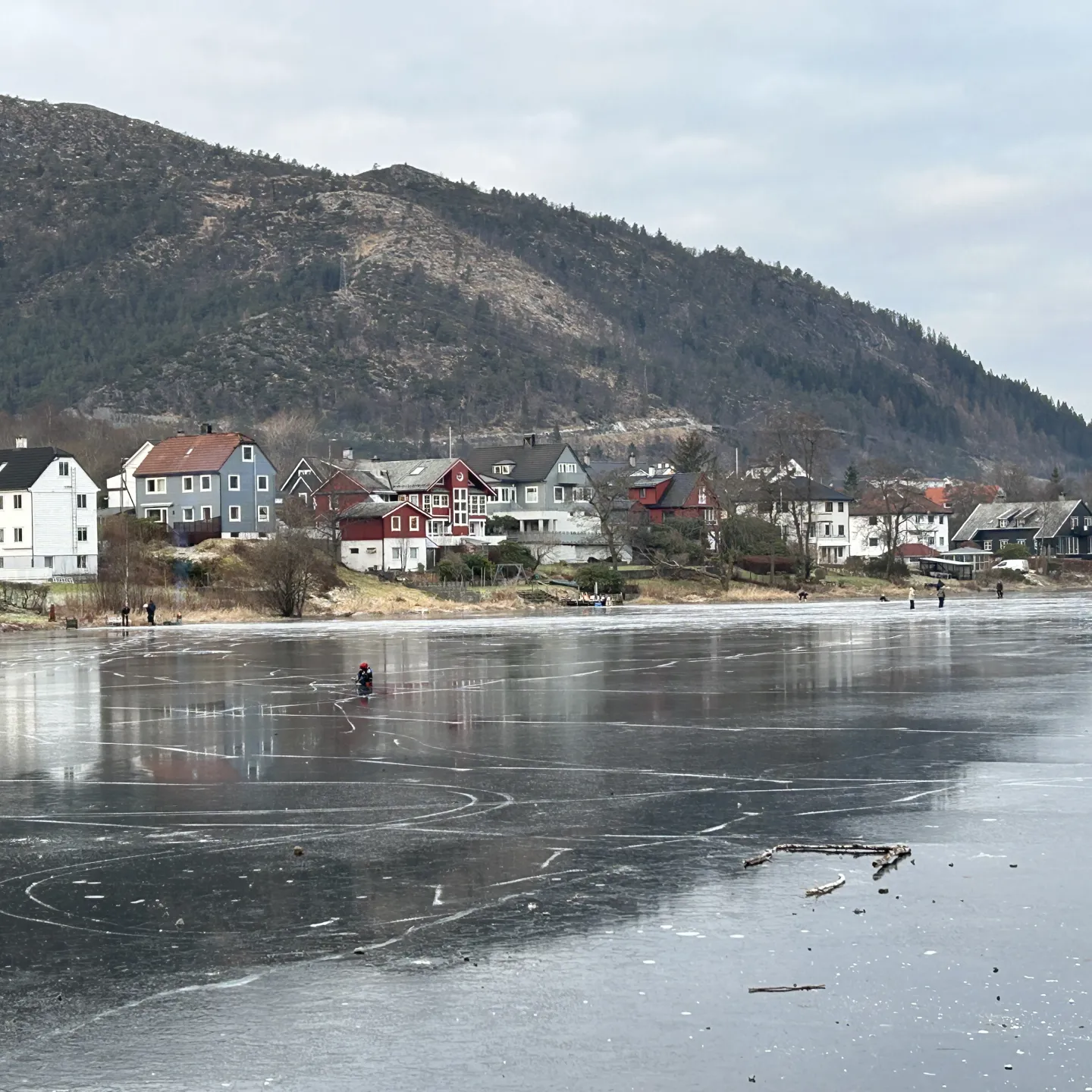
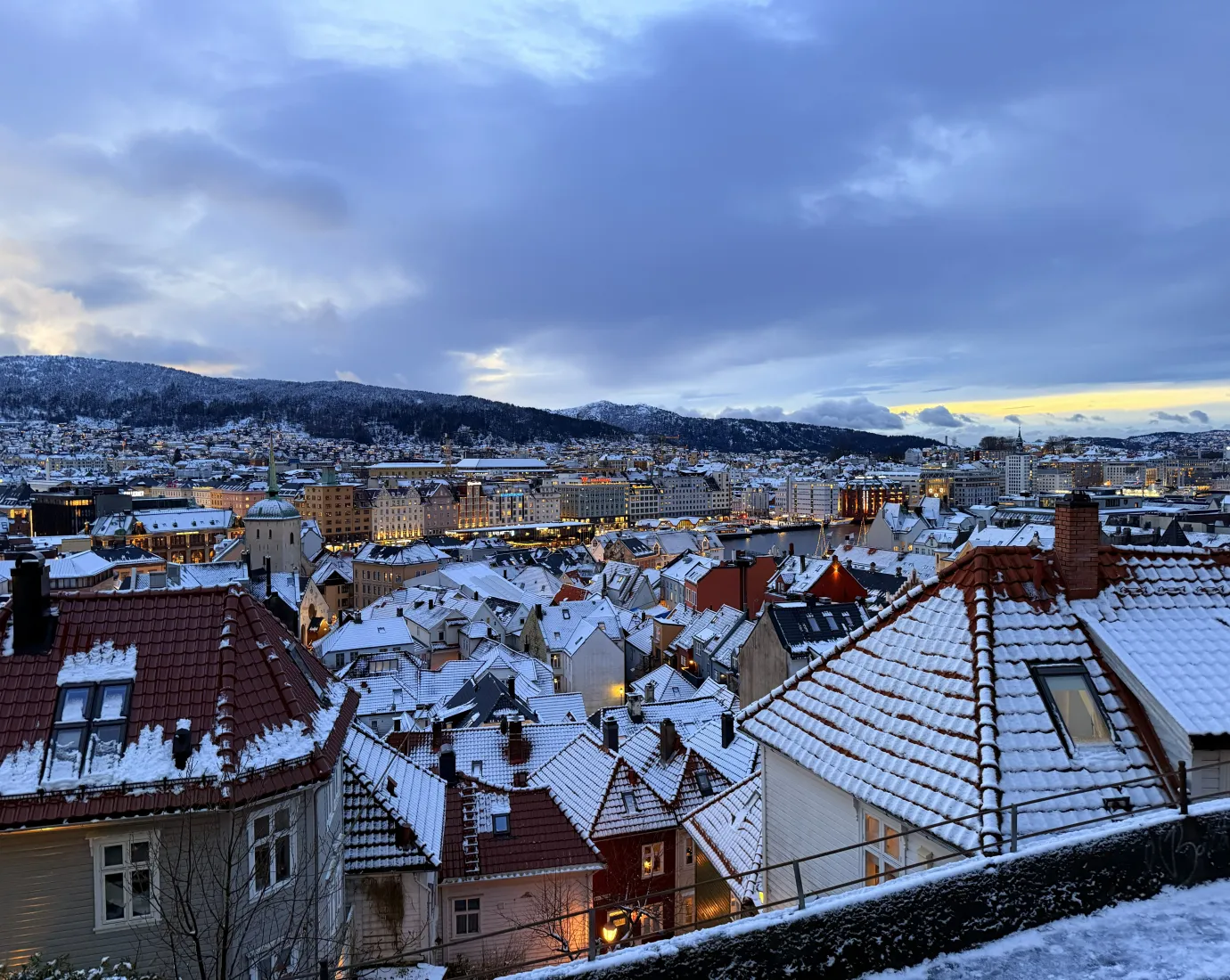
Bergen, Norway, is a city nestled within a fjord, surrounded by seven mountains – a place where historic wooden houses and narrow lanes meet modern neighbourhoods. The UNESCO-listed Bryggen district tells stories of trade and daily life in centuries past, yet the city feels calm and unhurried, quietly confident rather than loud. It’s been just over a month since I arrived, and time has flown by. I’ve seen so much already, yet I can’t shake the feeling that there’s still an endless amount left to discover.
What struck me right at the beginning was how people here deal with snow. When I first arrived, the city lay under a thick white blanket. It must have snowed just a day earlier, and back home in Liechtenstein or Germany, snowploughs would have been out immediately, clearing roads and pavements. In Bergen, though, no one seemed bothered. Quite the opposite: people simply accept the snow as part of daily life. Some head out on skis, others pull sleds, and even if a car is buried under thirty centimetres of snow, it’s quickly dug out and driven away. The snow is packed down, compacted, accepted. To me, it feels like a symbol of Norwegian calmness – a quiet respect for nature. Instead of trying to conquer it, people live with it.
This attitude flows into everyday life as well, especially in how people balance work and leisure. “Work-life balance” isn’t just a slogan here; it’s a lived reality. Evenings and weekends are truly personal time. On Saturdays, the city centre fills with people enjoying cafés or heading out for hikes. The weekend genuinely belongs to rest. Back home, I tend to use weekends for chores or catching up on tasks. Here, it feels more like a small weekly retreat from work. “Strength lies in calmness” could easily be Bergen’s motto – and maybe it’s the long winters that teach people to embrace a slower rhythm of life.
Time and punctuality also leave a strong impression. Buses, trams, and trains run exactly on schedule – almost Swiss in their precision, something Germans can only dream of. Yet life overall moves at a more relaxed pace. Breaks are valued, especially coffee breaks, which are almost sacred here. Coffee is offered at every lecture, meeting, or casual get-together. But it’s not just about the drink – it’s about connection and conversation. There’s something deeply social and communal in it, a ritual that creates a sense of belonging even among newcomers.
In communication, I quickly noticed how Norwegians are both direct and remarkably polite. On the street, people address you in Norwegian without hesitation – naturally and without fear of awkwardness, even if your Norwegian isn’t great. At the same time, the university environment is very international, and people make sure everyone can follow along. That balance makes it easy to feel included.
Another difference I’ve noticed lies in the rhythm of the day. Lectures rarely start before ten in the morning – around the time daylight returns. The daily schedule follows natural light rather than rigid routines. Lunch is a longer, shared break, meant as much for relaxation as for nourishment. In terms of food, I see many similarities with southern Germany or Switzerland: simple, hearty dishes with fish, potatoes, and bread. You won’t find Käsespätzle here, but burgers, pasta, pizza, and meat dishes are staples, too. It’s less about what’s on the plate and more about the atmosphere – calmer, more mindful, shared.
Looking back, what I’ve learned isn’t so much about what’s different, but about how it changes my view of the familiar. Things I once took for granted – clearing the streets, strict schedules, early starts – now seem more like cultural choices than necessities. Bergen is teaching me that there are many ways to move through the world: we can struggle against it, or learn to live with it. I’m beginning to understand that culture resides in the smallest details – in the snow underfoot, in a shared cup of coffee, in the gentle pace of the day.