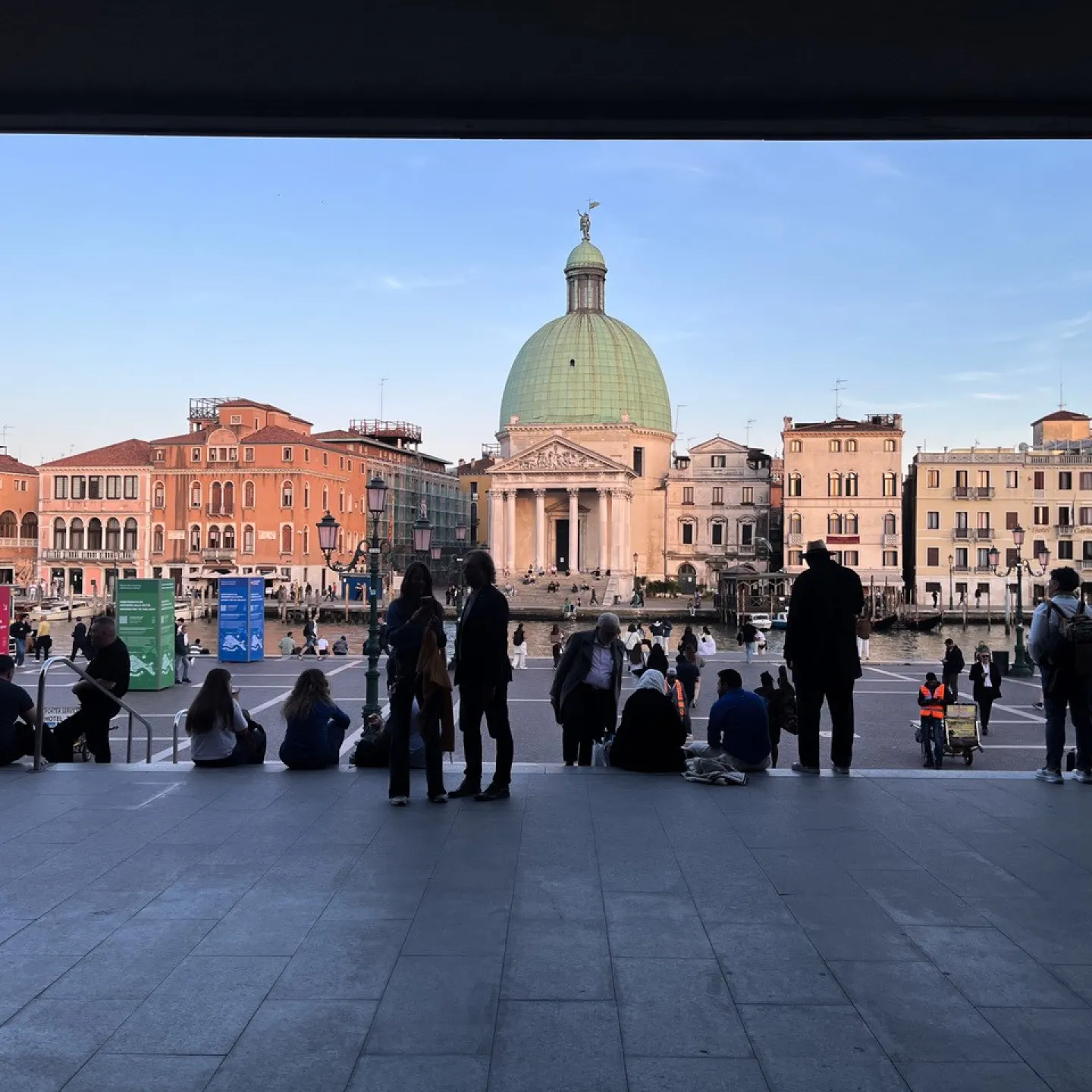
Italy - Venice
Italy - Venice
Understanding everyday life in Venice
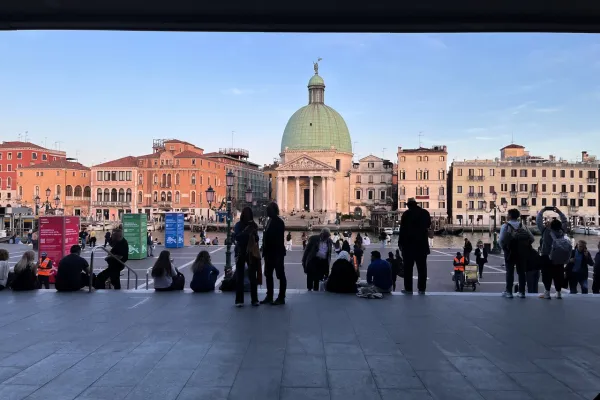
When I arrived in Venice, it wasn’t my first time in this city. I had visited several times before. Yet every arrival still feels special, after the long train ride, stepping out of Santa Lucia station and suddenly seeing Venice open up across the Grand Canal is always a striking moment. The first impression is intense: streams of tourists, boats moving constantly through the canals, and crowds filling the narrow streets. At first glance, the city feels chaotic, almost as if the entire island is in constant motion.
From the beginning, however, I had a clear wish for my stay here. I wanted to avoid the purely touristy and cliché side of Venice as much as possible. Instead, I hoped to experience a more authentic version of the city: the quiet courtyards, the everyday life of local residents, and the slower rhythm of the Veneto region. My time here should be more than just a brief visit to famous landmarks. I see it as a search for authenticity in a city where the historical heritage sometimes feels pushed into the background by attractions designed mainly for tourism.
After a twenty-minute bus ride from the train station, I arrived at my accommodation in Favaro. Favaro is a calm, medium-sized town on the mainland, just next to Venice. The atmosphere there immediately felt very different from the island. Family houses, well-kept gardens and quiet streets creat a strong contrast to the crowded parts of Venice. Thanks to the help of my roommate, I quickly settled into everyday life. I signed up for a membership at a local gym, did my grocery shopping at nearby supermarkets with many regional products, and occasionally enjoyed a glass of wine in local bars. These simple routines helped me feel surprisingly comfortable in a short time, almost as if I had already lived in the region for much longer.
Alongside my studies, it was important for me to also gain practical experience in architecture during my time abroad. Fortunately, even before arriving in Italy I had managed to arrange a job interview with an architecture office located directly on the island. At the beginning of March, I started working at APML Studio, this experience is incredibly valuable for my search for authenticity in Venice.
The openness of people in this region became very clear to me in the office. The team welcomed me from the very beginning. Lunch and coffee breaks are almost always shared moments, and after lunch it is something of a small tradition to take a short walk together, walks through the quieter parts of Santa Croce. During these walks, my colleagues often share small insider facts about the city or show me narrow streets and hidden corners that I would probably never discover on my own. In these moments, I get a glimpse of what Venice is like beyond the tourist crowds, a calm place where people take time to enjoy the small details of everyday life. I quickly recognized the rhythm and work ethic, which surprisingly do not differ much from ours in Switzerland. I learned that people in this region are diligent and reliable, whether in public transportation or in the university administration.
I discovered that Venice can be an incredibly quiet city. Only a few streets away from the crowded tourist routes, you can suddenly find peaceful squares, empty canals, and locals going about their daily routines. These moments make the city feel completely different from its global image as an overcrowded tourist destination. Venice is a city full of stories in every possible sense architectural, historical, and personal. In the coming months, I hope to discover as many of these stories as possible. Some will certainly come through my work at the architecture studio, others through my studies, conversations with my roommates, or simple encounters with residents. For me, this experience is not only about living in a famous city, but about slowly understanding the everyday life in Venice.